Objects
How one vintage piece can change the room
29 JULY 2026 · 3 MIN READ
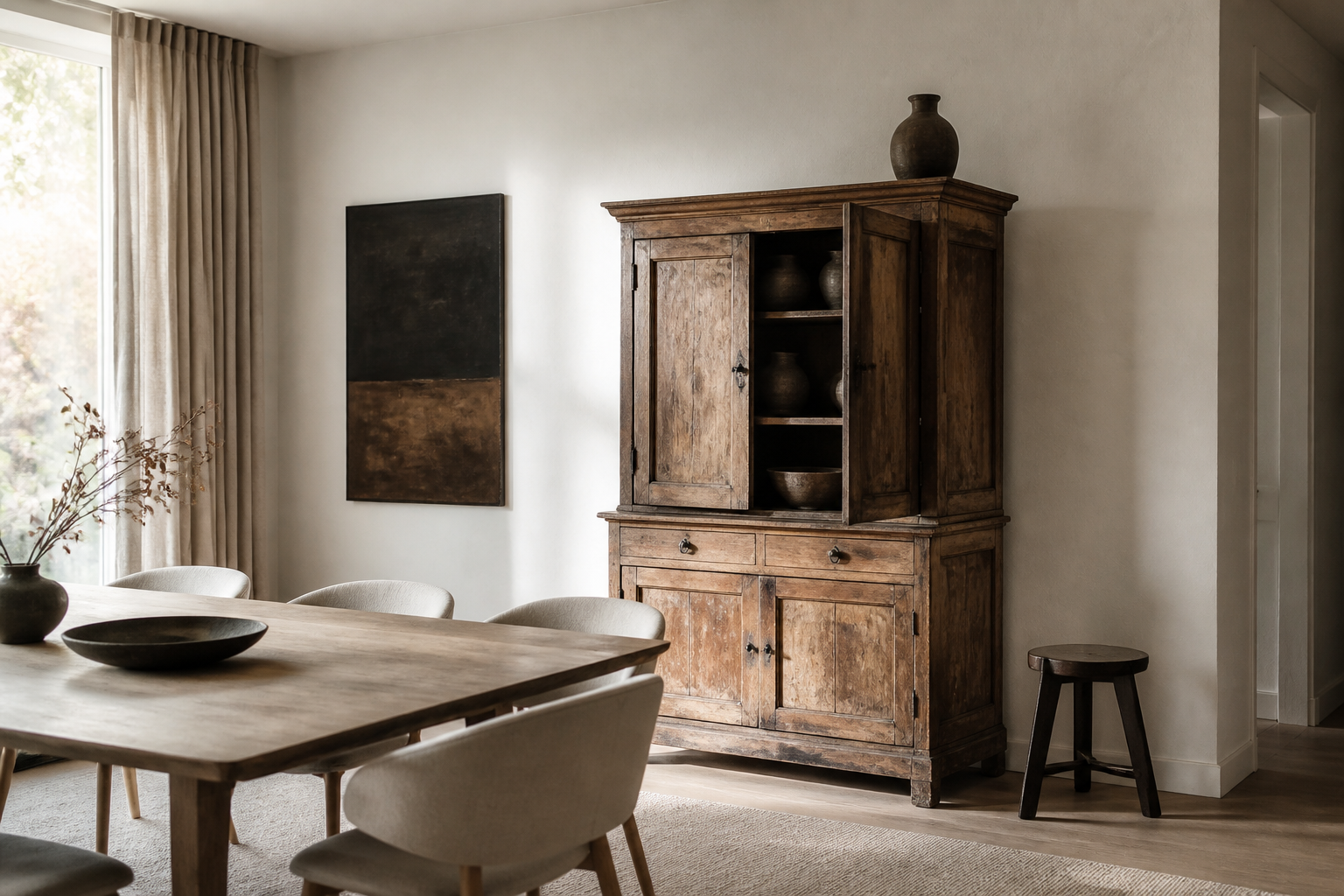
A single piece with age can break perfection, introduce memory, and give contemporary furniture something to respond to. Its value comes from the role it plays in the room, not from age alone.
Give the older piece a job
Vintage furniture is most convincing when it is useful. A side table can hold a lamp, a cabinet can store everyday plates, and an old chair can sit at the desk. Function keeps the piece from becoming a prop and lets wear feel like part of its character.
Start by checking scale and condition. A beautiful cabinet that blocks circulation or cannot carry what the room needs will always feel imposed. Repair moving parts and unstable joints before worrying about cosmetic marks.
Use contrast instead of imitation
An old piece does not need a room full of other old pieces around it. A worn timber table gains clarity beside precise upholstery. A traditional cabinet can feel sharper against a plain plaster wall. The difference is often what gives the object presence.
Let contemporary pieces remain contemporary. Artificial distressing and period-style accessories usually weaken the relationship by making everything agree too neatly.
Leave useful evidence of age
Refinishing has its place, but not every mark needs correction. Softened edges, uneven color, and old repairs can make an object specific. The practical distinction is between patina and neglect: preserve the signs that tell a story, and repair what prevents the piece from working safely.
Hardware deserves the same judgment. Original pulls may only need cleaning. A missing handle can be replaced with something simple that does not pretend to be original.
Let it influence one other decision
The vintage piece should have a relationship with the room without dictating it. Its timber tone might return in a picture frame; its dark metal might connect to a lamp. One quiet echo is enough to make the placement feel deliberate.
The strongest vintage addition rarely makes a room look older. It makes the newer pieces around it look less anonymous.
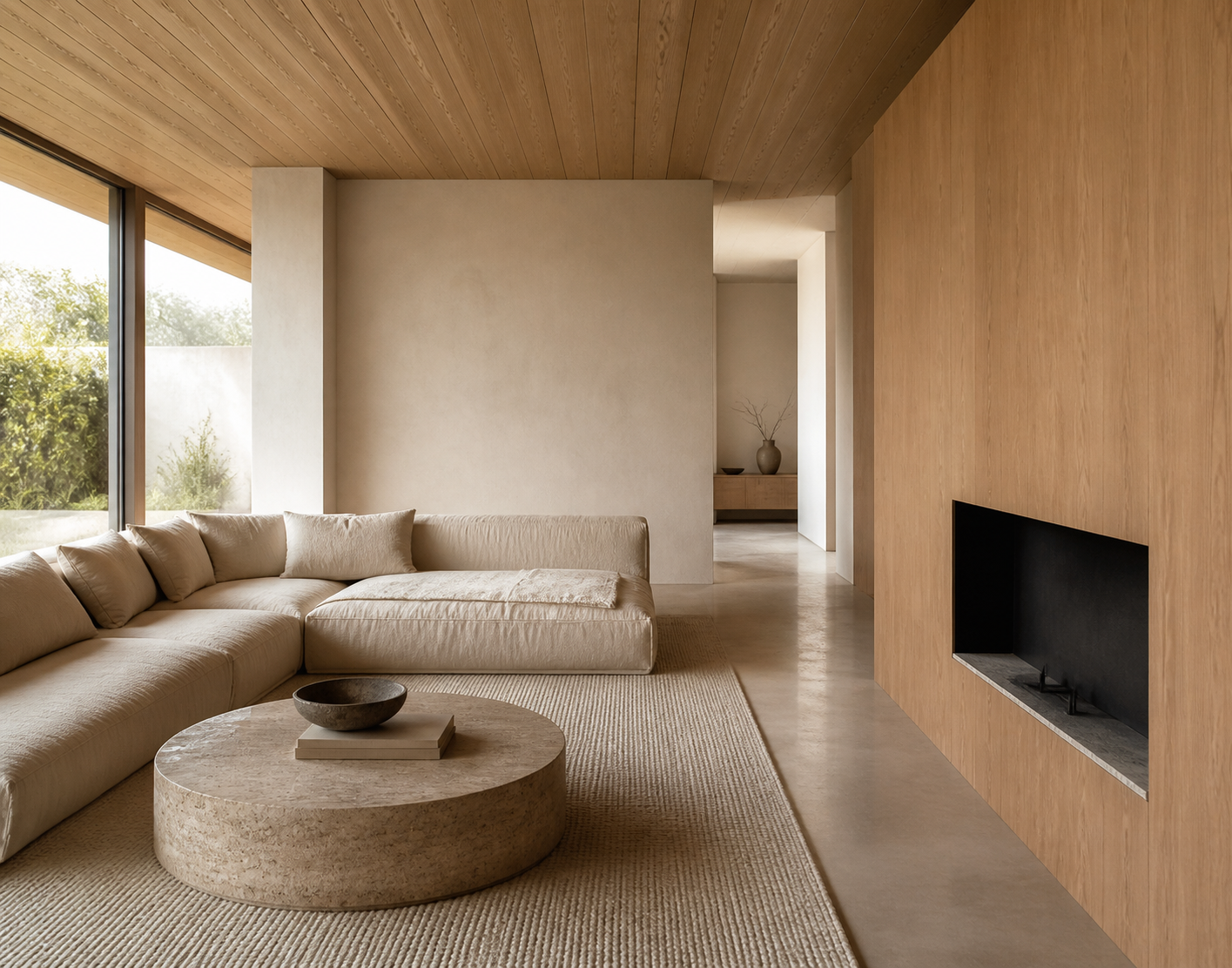
Why fewer materials can make a room feel richer
Limiting the palette does not limit expression. It gives proportion, texture, and light more room to do the work.
Read article →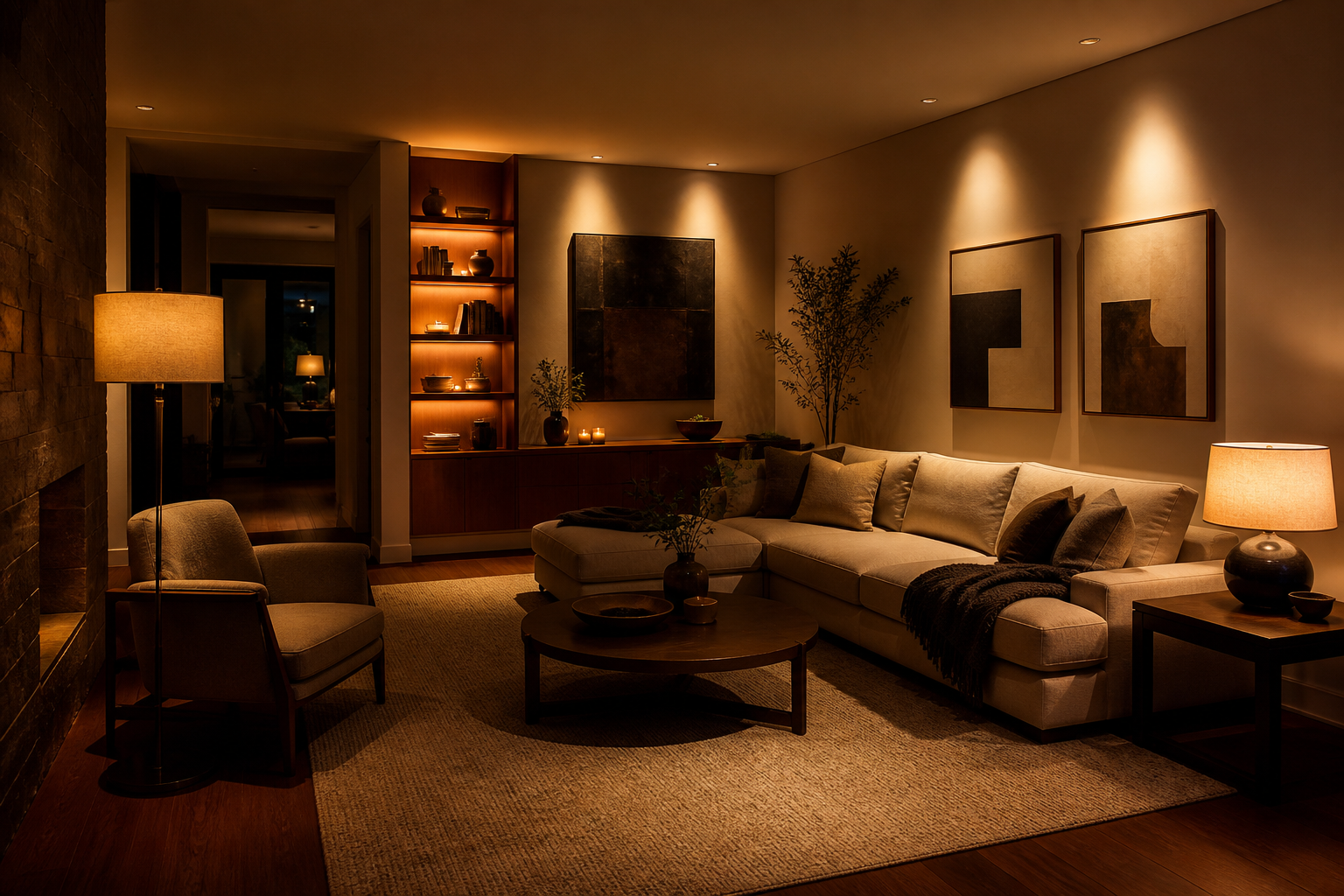
A practical approach to layered lighting
Good lighting is not one statement fixture. It is a measured mix of ambient, task, and accent light placed where the room needs it.
Read article →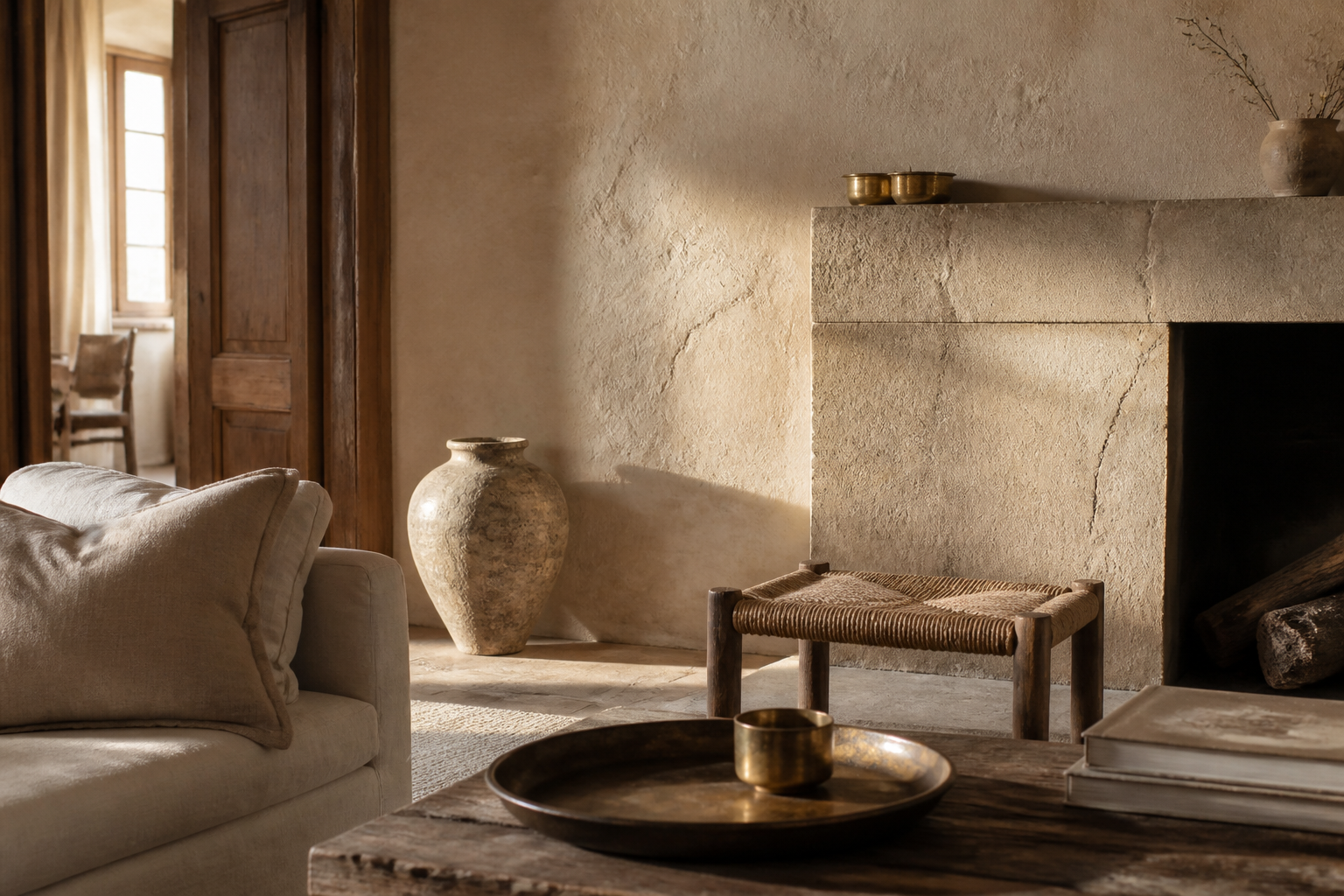
What makes a neutral room feel warm
Warmth comes from variation: rough beside smooth, matte beside reflective, old beside new. Color is only part of the equation.
Read article →